

Have a great recipe that family and friends rave about?
Many successful food businesses begin exactly that way. But turning a favorite recipe into a commercial product requires much more than simply making larger batches and selling the finished product.
From compliance to strategy, taking the right early steps can help set your business up for long-term success.If you’re considering launching a food product, here are five essential areas to focus on before going to market.
1. Start with a Business Plan
Every successful food business starts with a solid plan. A business plan doesn’t have to be complicated, but it should answer several key questions:
Many entrepreneurs underestimate the true cost of producing market ready food products. Expenses such as ingredients, packaging, labeling, licensing, insurance, kitchen rental, and marketing all impact your profitability.
Taking the time to build a business plan helps you understand whether your product can be financially successful before investing significant time and money.
2. Establish Your Business Properly
One of the first official steps in launching a food business is creating a legal business entity.
Many entrepreneurs choose structures such as:
Separating your business finances from your personal finances provides better organization, simplifies accounting, and can offer important liability protections. A dedicated business bank account and proper bookkeeping system will also make tax preparation significantly easier as your business grows.
3. Understand Food Regulations and Licensing Requirements
Food businesses operate in a highly regulated environment and for good reason, consumer safety.
Depending on your product and how it is manufactured, you may need to comply with various local, state, and federal requirements.
Common considerations include:
The specific requirements depend heavily on the type of food you will be producing. A dry seasoning blend will have very different regulatory requirements than a refrigerated salsa or a shelf stable specialty sauce.
Understanding which rules and regulations you need to comply with early can prevent costly mistakes and delays later in the process.
4. Prioritize Food Safety
Food safety should be a priority from day one. Consumers trust food companies to produce safe products, and businesses must have systems in place to meet that responsibility.
Food entrepreneurs should become familiar with:
Many retail buyers, distributors, and commercial partners expect businesses to demonstrate a commitment to food safety before considering a product for sale. Building strong food safety practices early creates a foundation for future growth and helps protect both consumers and your brand.
5. Protect Your Business with Insurance
Product and general liability insurance are often overlooked by new entrepreneurs. However, insurance can be one of the most important investments you make. Many retailers, distributors, and farmers markets require proof of insurance before allowing a product to be sold through their channels.
Insurance helps protect your business from unforeseen situations and provides credibility as you expand into new markets. Before launching your product, consult with an insurance provider who understands food businesses and can recommend appropriate coverage.
You Don’t Have to Navigate the Process Alone
Starting a food business can feel very overwhelming. Between regulations, licensing, food safety requirements, production planning, and marketing, there are many moving parts to manage.
That’s where the NOCK comes in.
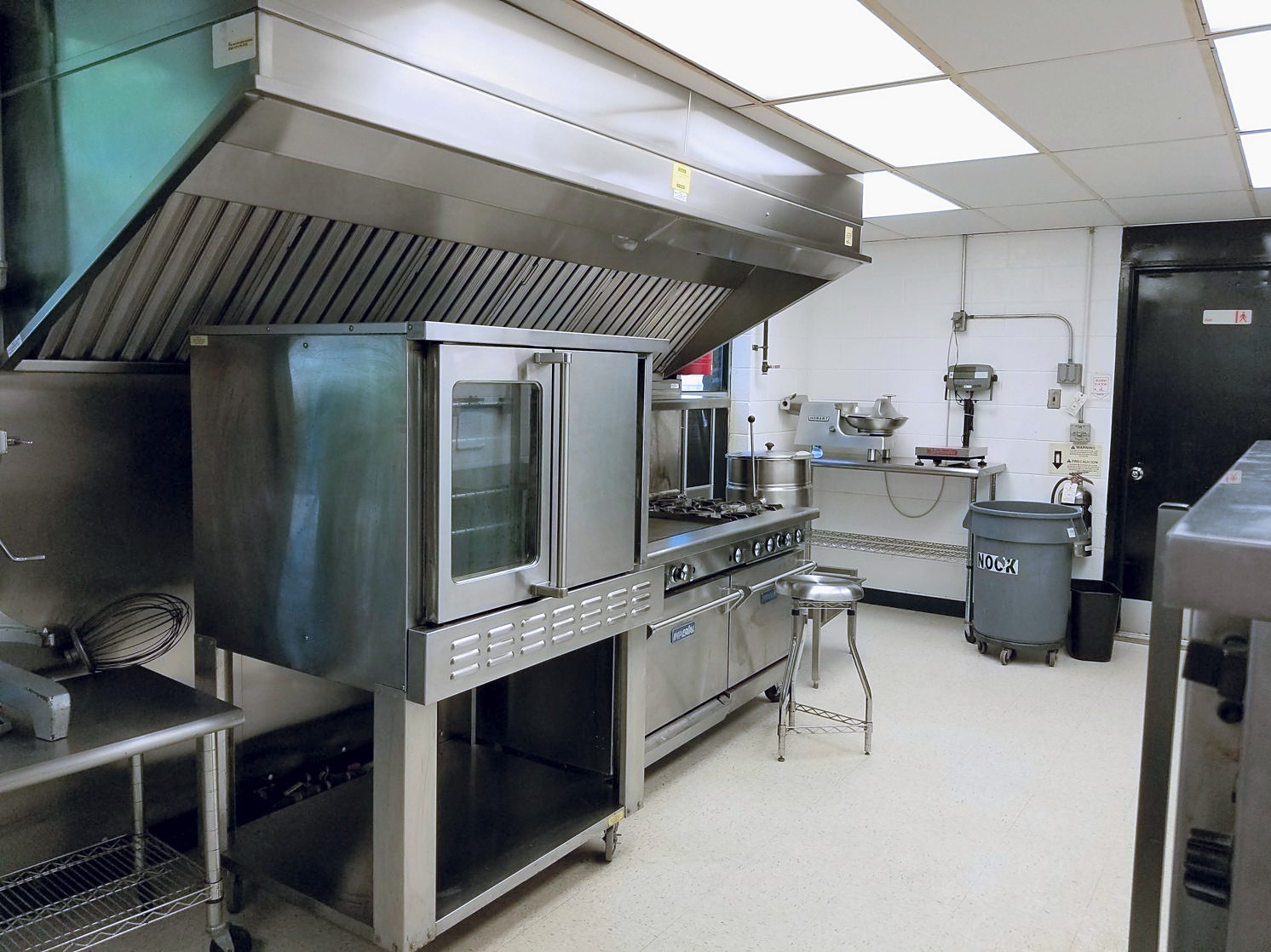
Our team works with food entrepreneurs at every stage of their journey. Whether you’re still developing your concept or you’re ready to launch, we can help you understand the process, avoid common pitfalls, and connect you with the resources needed to grow.
Many successful food businesses have started right here at the NOCK. Your idea could be next.
Contact the Northwest Ohio Cooperative Kitchen to learn how we can help turn your food business dream into reality.